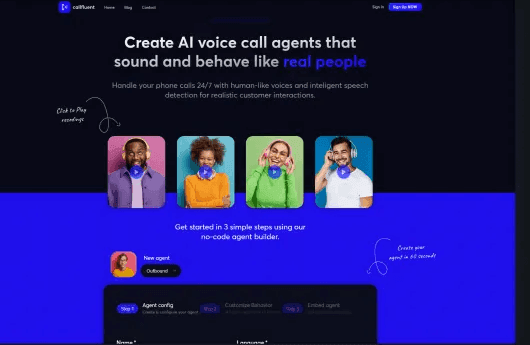
CallFluent lets you build a phone-answering AI agent in a no-code, 3-step setup — the agent can take inbound calls, run outbound campaigns, book appointments, and answer FAQs using natural-sounding neural voices. Under the hood it's picking from 400+ neural voices across 40+ languages with sub-500ms response latency, which is the part that actually matters on a live call — anything slower and the caller notices the lag. Pricing is tiered by call volume: $37/mo for 100 calls and 1 agent, up to $127/mo for 1,600 calls and unlimited agents on the Agency plan. It's the most complete voice-AI product we tested for businesses that already have real call volume to automate.
Pros
- No-code agent builder, live in minutes
- 400+ neural voices across 40+ languages
- Sub-500ms response latency on calls
- Connects to 1,000+ apps via Zapier, n8n, Make
- Call recordings, transcripts, and webhooks built in
Cons
- Monthly subscription, not one-time
- Best value for teams already handling real call volume
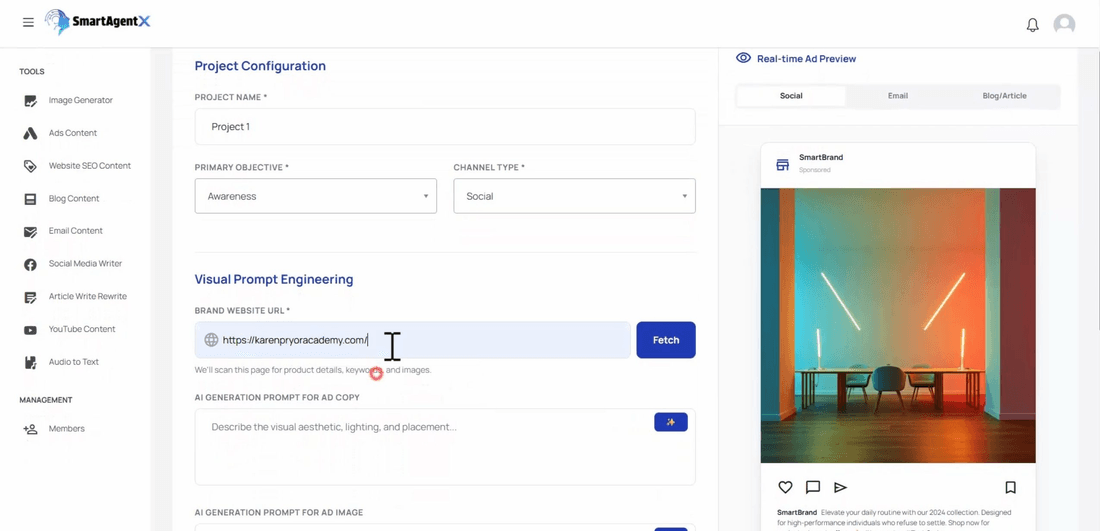
SmartAgentX takes a single URL and turns it into a full campaign — social posts, SEO blog content, email sequences, and YouTube assets, generated and scheduled automatically. In the actual dashboard, that means pointing it at a client's site, picking an objective (awareness, leads, sales) and a channel, and getting a real-time preview of the generated ad/post before it goes anywhere — it's not a black box. Built by Misan Morrison and Abhinav Jain (also behind UltraFunnels and AIViralLeads), it sold on a one-time payment during its June 2026 launch instead of the usual monthly SaaS fee, with a 30-day money-back window. It's aimed squarely at agencies managing multiple client sites, not solo operators running one brand.
Pros
- URL-to-campaign AI builder — no manual brief needed
- Generates social, blog, email and YouTube assets from one input
- Built-in client sub-account management
- One-time payment model, no recurring fee
- 30-day money-back guarantee
Cons
- Large feature set has a learning curve
- Best suited to agencies, not single-site owners
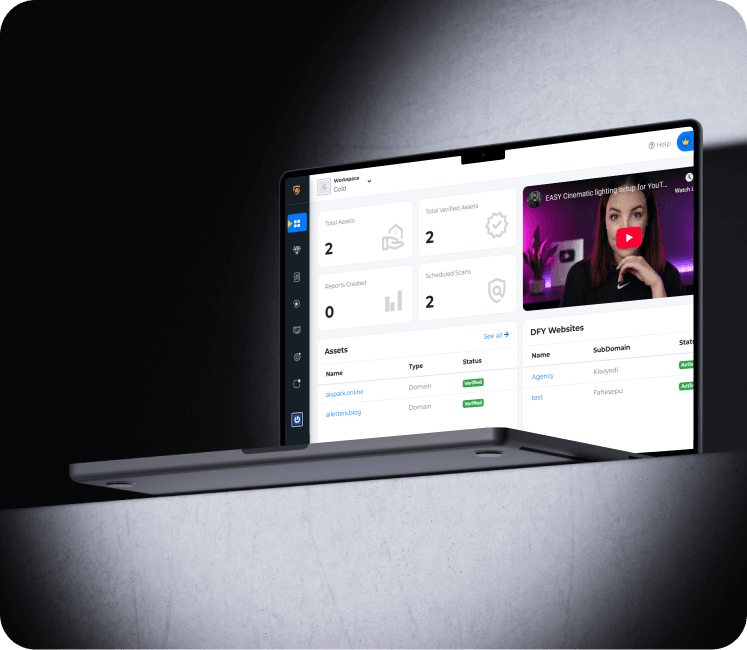
Soteria scans, detects, and neutralizes website hacks in real time, and packages the whole thing as a done-for-you agency service with a built-in client-finder — the pitch is less "security tool" and more "start a site-security agency without building one from scratch." It's built by Misan Morrison and Godswill Okoyomon, launched via JVZoo on July 26, 2026. Because it's a fresh launch, there's no multi-year uptime track record to point to yet — that's the trade-off for getting in before it's a saturated, expensive-to-promote tool. From the same team behind UltraFunnels and MagicDesigners, it's one of the more agency-friendly security tools we've seen launch this year.
Pros
- Real-time hack detection and neutralization
- Done-for-you agency system included
- Client-finder and growth kit built in
- Backed by an experienced dev team
Cons
- New launch — limited long-term track record yet
- Initial setup/config required per site
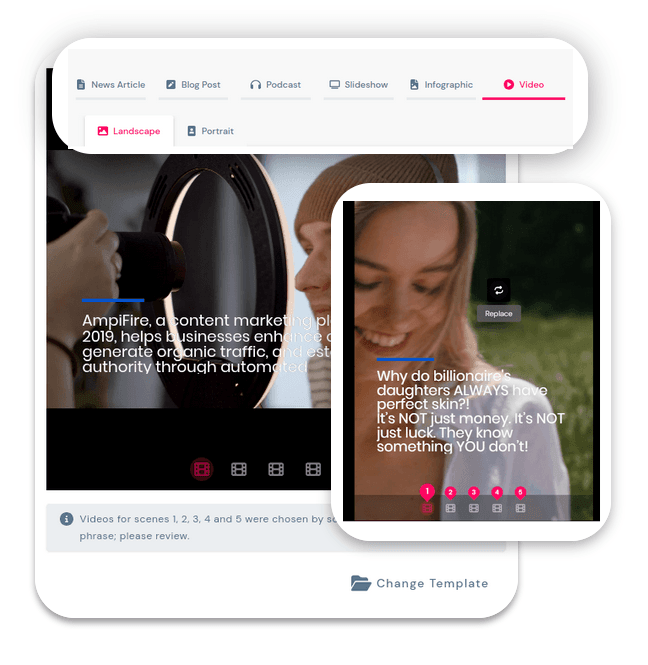
AmpCast turns one piece of content into blogs, podcasts, videos and social posts, then distributes all of it across 300+ authority platforms including Google News and YouTube. In the dashboard, the workflow is genuinely one input in, five output formats generated for review before anything gets published — the multi-format switcher (News Article / Blog Post / Podcast / Slideshow / Infographic / Video) is the actual product, not a marketing slide. Built by Chris Munch and Jay Cruiz on top of the AmpiFire infrastructure, it runs $97-$297/mo across three tiers depending on publishing volume — it's a distribution play more than a content-creation one, and the price only makes sense if you're already producing content worth amplifying.
Pros
- Single input becomes multi-format content
- Distribution to 300+ authority platforms
- Built on established AmpiFire infrastructure
Cons
- Value scales with volume — overkill for very small creators
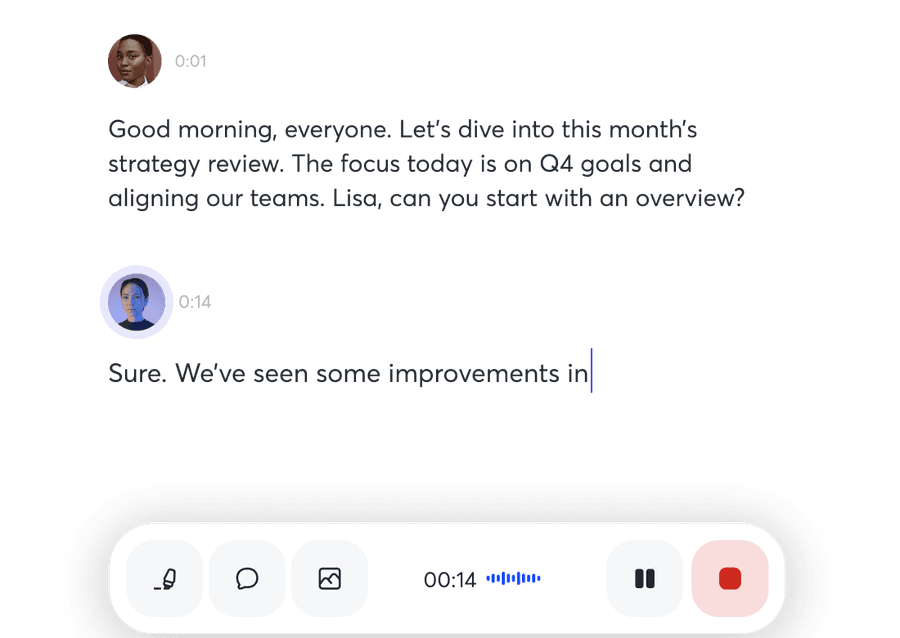
Otter isn't new, but it's still the most reliable AI meeting assistant we tested — live transcription, speaker recognition, and automatic action items, with a genuinely usable free tier (not a crippled trial). The free plan covers individuals and small teams; Business is $19.99/mo per user with a 7-day trial, and Enterprise is quote-based. It rounds out the list as the tool most businesses can adopt today with zero learning curve — everyone on the call already knows how to read a transcript.
Pros
- Free forever plan for individuals and small teams
- Live transcription with speaker recognition
- Integrates with Zoom, Slack, Salesforce, Google Workspace
- Established company, large existing user base
Cons
- Best features locked behind paid tiers
- Not built for outbound or marketing use cases